

Vacuum tyres VS inner tube tyres
Nov 19,2024
Home of the Truck
Car friends material
The tires commonly used in the market today are divided into two types: vacuum tires and ordinary inner tires. How should we choose when we actually use them? What are the advantages and disadvantages of the two? Today we will talk about these issues together.
The two are similar in appearance and can be quite different in structure.
Vacuum tires (Tubeless) are pneumatic tires without inner tubes and cushion belts, also known as low-pressure tires or inflatable tires.
Radial vacuum tire structure
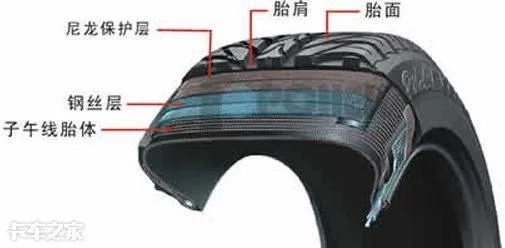
This kind of tire is designed with a rubber sealing layer about 2-3mm thick on the inner wall, and a self-adhesive layer made of a special mixture with unvulcanized rubber is attached under the sealing layer. The inner wall of the tire and the rim are used. The inner layer realizes good air tightness between the tire and the rim, which replaces the role of traditional inner tube.
It can be seen that the vacuum tire is not simply to remove the inner tube, but should be understood as the outer tube has the function of the traditional inner tube. The structure of the vacuum tire is mainly composed of the outer tire, and the outer tire is mainly the outer tread, ply and carcass from the outside to the inside.
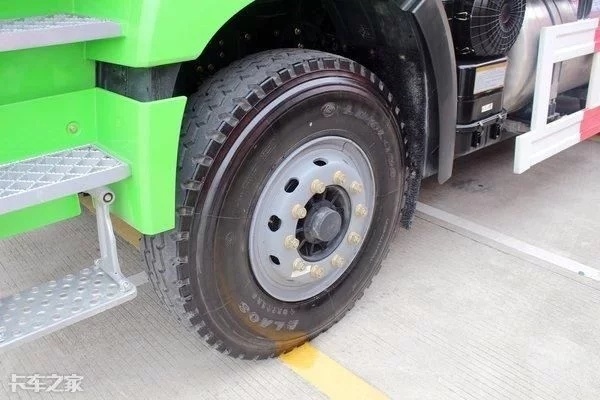
The main difference between the tube type tire (Tube type) and the vacuum tire is that it has an inner tube and a cushion belt. The application of this more traditional tire in cars is gradually decreasing, and it is used in some trucks or agricultural vehicles that require higher pressure bearing capacity. More applications on vehicles.
From the outside to the inside, the inner tube tire is mainly composed of an outer tube, an inner tube and a cushion belt. The outer tube is mainly composed of a tread and a ply. The cushion belt is an annular tape used to protect the inner tube from rim wear. Between the tube and the rim.
So how do you tell if your car is equipped with vacuum tires or inner tires? Vacuum tires and inner tires are not much different in appearance, and there are two main ways to distinguish between the two:
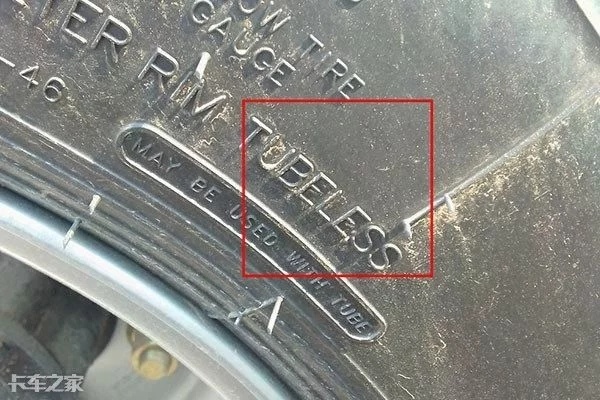
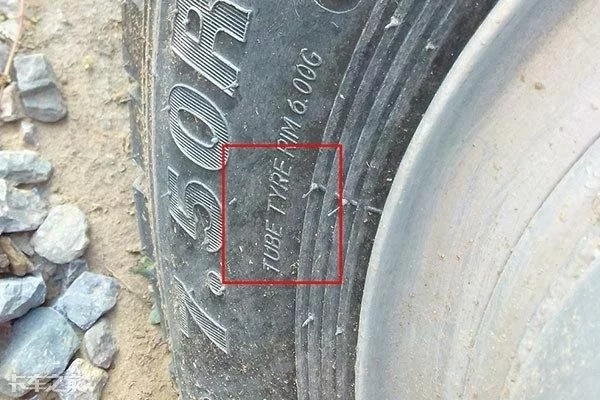
One is to check the label on the side of the tire. The side of the vacuum tire will be marked with the words "TUBELESS" or "TL", and the side of the inner tire will be marked with the words "TUBE TYPE;

The second is to check the valve. The valve of the vacuum tire is directly fixed on the rim, while the valve of the inner tube tire is installed on the inner tube. This is due to its different working modes.
Both have their own advantages and disadvantages. Who depends on the specific working conditions?
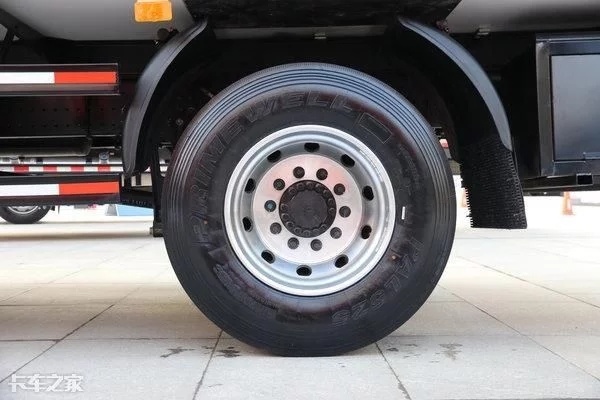
Compared with ordinary inner tube tires, vacuum tires have the following advantages:
1. High security
Because the surface of the tubeless tire is a layer of rubber, the surface tension becomes larger after inflation, and a certain pressure will be formed on the inner surface, and the self-sealing ability of the breach is strong. Therefore, the air leakage is slow after being punctured, and it can still be maintained to the repair point. repair. After the inner tube tire is punctured, the inner tube and the outer tire will be filled with air quickly, and the flat tire may even burst.
2. Long service life
Because the vacuum tire has no inner tube and cushion belt, the internal friction heat generation is greatly reduced, because the internal air is in direct contact with the rim, and the heat can be directly dissipated through the rim, and the heat dissipation effect is better, thereby extending the service life of the tire.
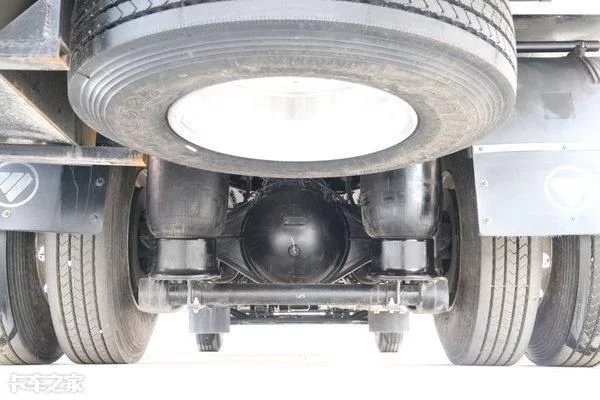
3. Lighter weight and lower fuel consumption
Because the inner tube and cushion belt are reduced, the weight of the vacuum tire is lighter, and the parts of the rim are further reduced in weight due to the reduction of the lock ring. It is said that the whole set of inner tube tires can be replaced with vacuum tires, which can save hundreds of pounds of fuel.
4. Wear resistance, better comfort
Compared with vacuum tires, they have good elasticity, wear resistance and adhesion, which can improve the comfort and dynamic balance performance of the vehicle.
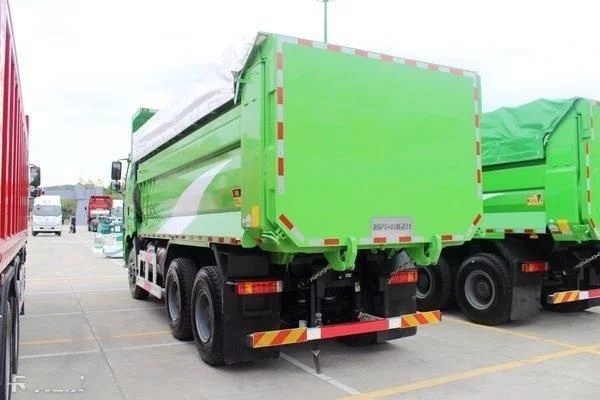
Although vacuum tires have advantages of one kind or another, ordinary inner tube tires are not useless, otherwise inner tube tires have long been eliminated. In comparison, it has the following advantages:
1. Low manufacturing technology requirements and low cost
Because the working process of inner tube tires is relatively simple, the manufacturing technology requirements are low and the cost is lower. If the inner tube tire is to be replaced with a vacuum tire, because the rim part has a different structure, it also needs to be replaced with a matching wheel hub. An ordinary vacuum tire with a special wheel hub costs about 2800-3600 yuan. However, under normal use, vacuum tires have lower fuel consumption and lower operating costs. Overall, it is more cost-effective to use vacuum tires.
2. More pressure, bearing capacity is stronger
Although vacuum tires are wear-resistant, they are not pressure-resistant, and their carrying capacity is inferior. Some truck drivers replace the guide wheels with vacuum tires, and the rear drive wheels still use inner tires, which not only improves driving comfort, but also ensures the carrying capacity.
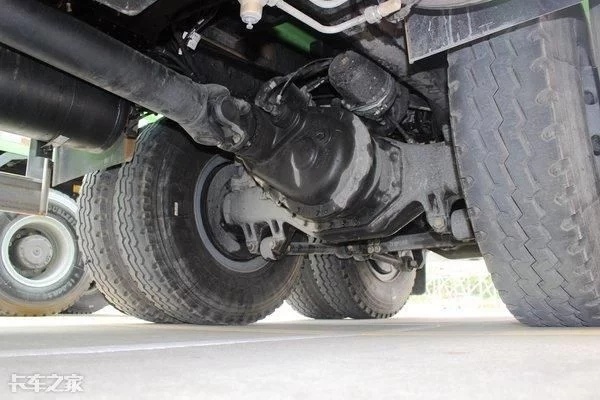
3. Strong adaptability to bad road conditions
Vacuum tires are more hypocritical. Although they have good adaptability to asphalt roads and cement roads, they have low adhesion and poor stability to soil roads, especially muddy roads, and their adaptability to such harsh road conditions is not as good as inner tires.
4. The repair process is simple, the repair cost is low, and the repair point is more.
Inner tube tires because of the lower manufacturing technology itself, the repair process is simpler, the repair cost is also low, the repair point is also more. In some places, there are few repair points for vacuum tires, and many drivers worry that vacuum tires are punctured and have no place to repair, so inner tires are widely used.

Vacuum tires require special tools for disassembly and installation to avoid damage to the rim and affect their sealing. When repairing, remove the punctured vacuum tire from the rim, and stick a special tire repair rubber on the inner layer of the tire after finding the wound, and use a hammer to knock it tightly and stick it firmly.
However, the repaired vacuum tire is still not durable enough, after a period of high-speed operation, the repair is easy to leak again. If the wound is large and serious, it is recommended to replace the new tire directly, because not only is it difficult to repair, but the safety after repair is not guaranteed.
After looking at the respective advantages of the two, it is not difficult for us to conclude that vacuum tires are more suitable for long-distance and high-speed driving, and inner tires are more suitable for harsh road conditions such as suburban dirt roads, mountain roads, and construction sites. Card friends should fully consider the vehicle when choosing tires. Operating conditions.
Vacuum tire some melodramatic use need to pay more attention
Add a few more things to note when using vacuum tires:
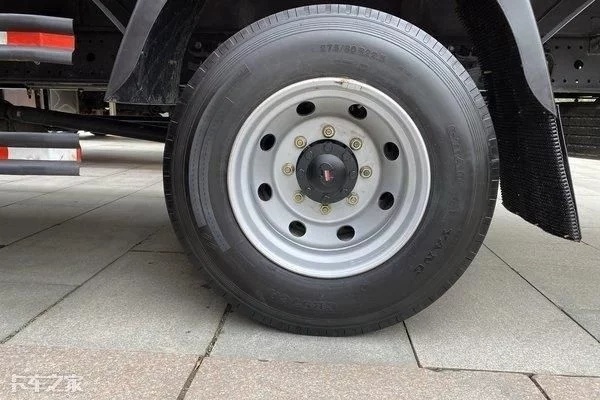
1. The specified air pressure must be maintained during use
When checking the air pressure of vacuum tires, use a barometer. Vacuum tires generally do not deflate by themselves except when they are punctured. When inflating, use a barometer to check and maintain the specified pressure. You cannot use the feel or intuition like ordinary tires. Decide whether to replenish air. The specified air pressure of the tire is generally marked on the tire.
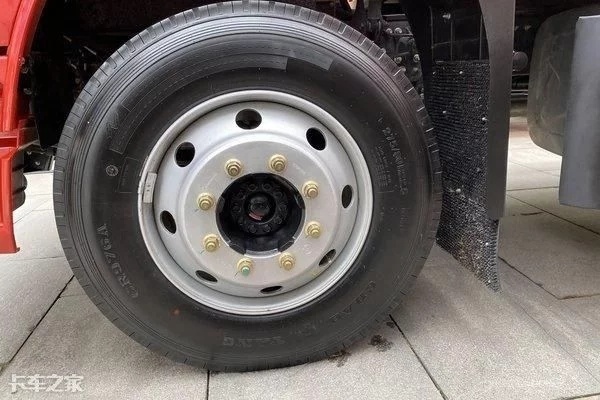
2. Avoid being stabbed or punctured
Vacuum tires should also be carefully used to avoid being stabbed or punctured, avoid contact with acid and alkali, and avoid being contaminated by oil, because such substances will accelerate the decomposition of rubber. Use should also keep the tire clean, prevent rubber aging, prolong service life.
Previous article
Next article
Contact Information
Jinzhou Unical Tyre Co.,Ltd.

Address: No. 27A-301, Baoji Platinum Building, Central South Street, Taihe District, Jinzhou City, Liaoning Province
Hotline: 86-18841677776 86-416-3801508
WeChat Public Number